
.png)
If you are wondering how often to replace a roof in California, the short answer is this: most homeowners should plan to replace their roof every 15 to 50 years, depending on the material, installation quality, and local climate.
That is a wide range, but California roofs face very different conditions depending on where the home is located. A roof near the coast deals with moisture and salt air. A roof farther inland deals with more heat and direct sun.
Even two homes in the same neighborhood can age differently if one has better ventilation, better materials, or fewer repair issues over time.
This guide explains when California homeowners should expect to replace their roofs, how long different roof types usually last, and what signs tell you replacement may be getting close.
The Short Answer: How Often Should You Replace a Roof in California?
Most California roofs need replacement within these general timelines:
- Asphalt shingle roofs: every 15 to 25 years
- Tile roofs: every 40 to 50 years or more, though underlayment may need replacement sooner
- Metal roofs: every 40 to 60 years
- Flat and low-slope roofs: every 20 to 30 years
These ranges assume the roof was installed correctly and maintained over time.
In reality, some roofs need replacement sooner because of poor installation, heat damage, leaks, or underlayment failure.
Others last longer because the materials were high quality and small repairs were handled early.
Why Roof Replacement Timing Varies So Much in California
California is not one climate.
A coastal home in San Diego or Orange County faces different roofing conditions than a home in Riverside, Sacramento, or the desert.
That matters because roofs do not age based on time alone. They age based on exposure.
Several factors affect how often to replace roof in California.
Sun and Heat Exposure
Orange County’s roofing climate is shaped more by sun than rain. Based on NOAA 30-year climate normals, Orange County averages about 12.3 inches of precipitation per year and around 29 days above 90°F annually, which helps explain why heat, UV exposure, and ventilation matter so much when choosing or replacing a roof.
In hotter inland areas, attic heat can also build up beneath the roof. If ventilation is poor, that trapped heat can shorten the roof’s lifespan from the inside out.
Coastal Moisture and Salt Air
Homes near the coast deal with marine layer, moisture, and salt air. Over time, these conditions can affect flashing, fasteners, vents, and other metal roof components.
A coastal roof may not face the same extreme heat as an inland roof, but moisture creates its own problems.
Roof Installation Quality
A roof’s lifespan depends heavily on how it was installed.
Poor flashing, weak ventilation, improper underlayment, and rushed installation can cause early failure. Even premium materials will not perform well if the system underneath is not built correctly.
Maintenance and Repair History
Small roof problems do not stay small forever.
A cracked tile, loose shingle, clogged drain, or failing flashing detail can allow water to reach the roof structure. If those issues are ignored, the roof may need replacement earlier than expected.
How Often to Replace Asphalt Shingle Roofs in California
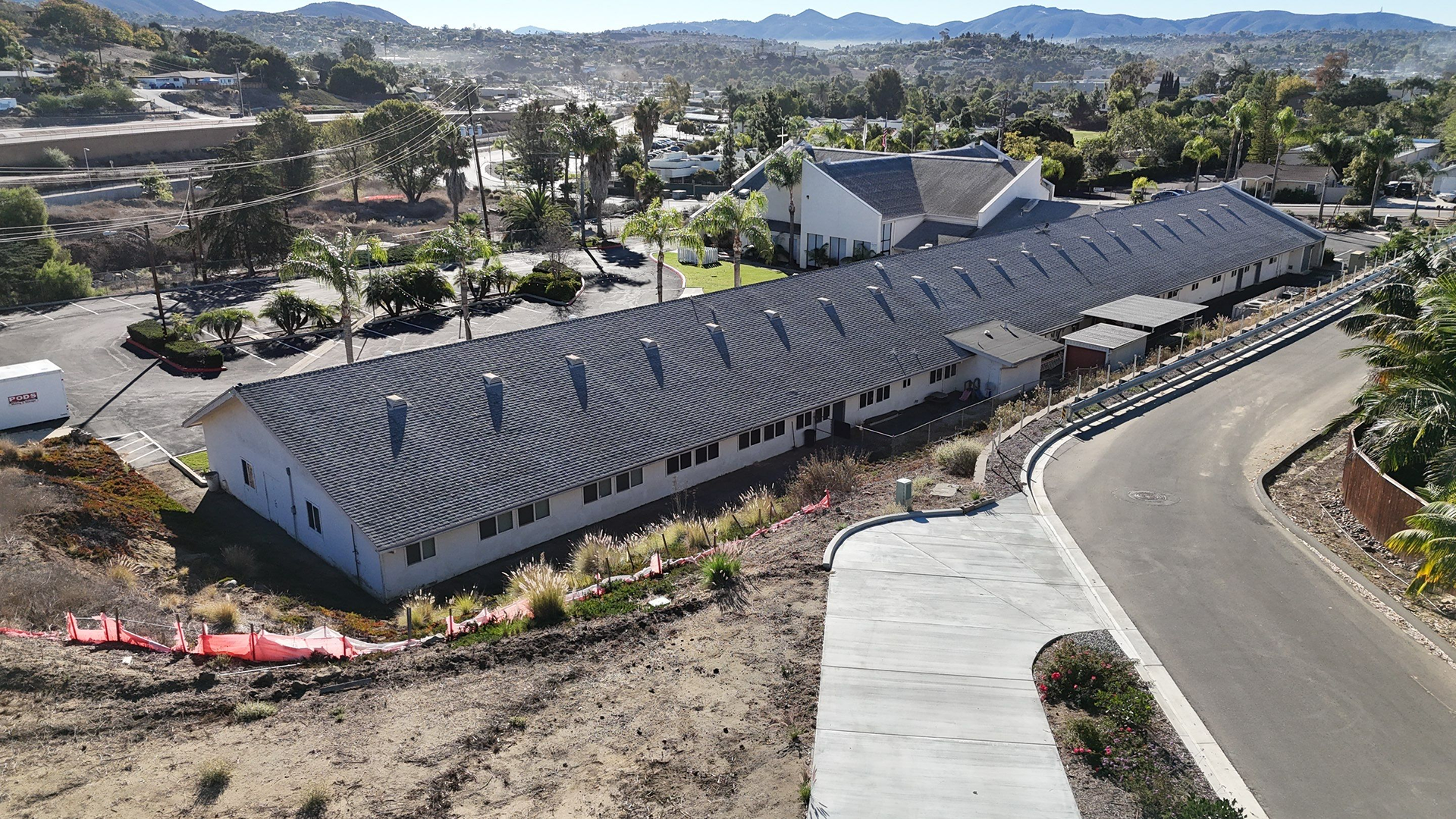
Asphalt shingles are one of the most common roofing materials because they are affordable, versatile, and widely available.
In California, asphalt shingle roofs typically need replacement every 15 to 25 years.
Homes in hotter areas may land closer to the 15 to 20 year range, especially if the roof gets constant sun exposure. Homes with good ventilation and higher-quality shingles may last closer to 25 years.
You may need to replace an asphalt shingle roof if you notice:
- Curling shingles
- Cracked shingles
- Missing shingles
- Granules collecting in gutters
- Bald or faded patches
- Recurring leaks
If your shingle roof is around 20 years old, it is smart to schedule an inspection. You may not need replacement right away, but you should know where the roof stands.
How Often to Replace Tile Roofs in California
Tile roofs are popular throughout California, especially in Southern California.
Clay and concrete tile can last 40 to 50 years or more. In some cases, the tiles themselves last even longer.
But the important part is this: the tile is not usually the first thing to fail.
The underlayment beneath the tile often needs attention sooner, sometimes around the 20 to 30 year mark. That waterproof layer protects your home when water gets beneath the tiles. Once it starts to break down, leaks can appear even if the tiles still look fine.
Signs a tile roof may need replacement or major underlayment work include:
- Leaks after rain
- Cracked or slipped tiles
- Water stains inside the home
- Debris collecting under shifted tiles
- A roof that looks fine but is 25 to 35 years old
Many tile roof replacements in California are really underlayment replacement projects. A professional inspection can tell you whether the tiles can be reused or whether more extensive work is needed.
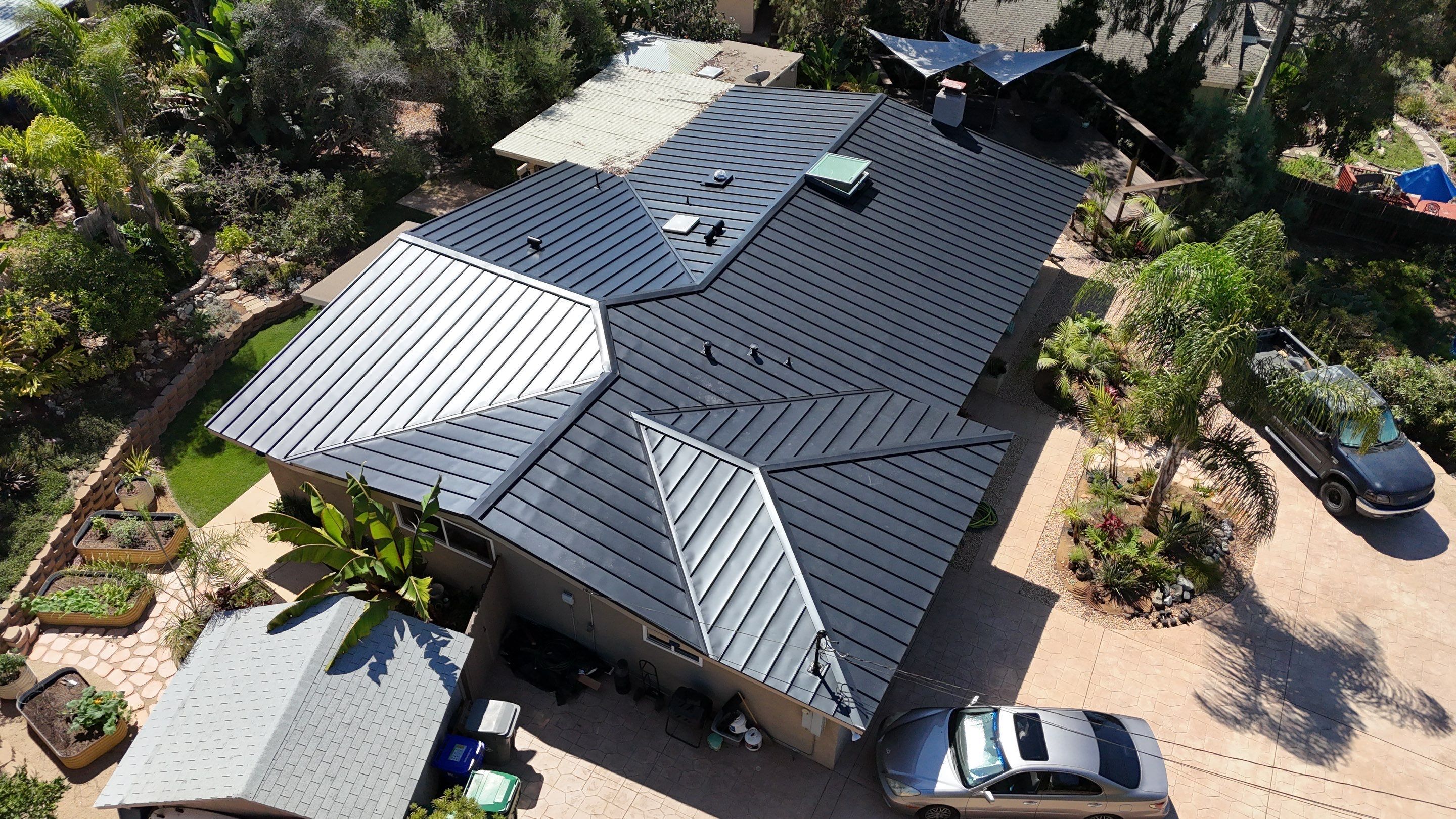
How Often to Replace Metal Roofs in California
Metal roofing is one of the longest-lasting options for California homes.
Most metal roofs need replacement every 40 to 60 years, depending on the system, coating, and installation quality.
Metal performs well in California because it handles heat, reflects sunlight, and resists many common forms of weather wear. It is also a strong option for homeowners thinking about solar panels because metal roofs often last longer than the solar panels installed on them.
Still, metal roofs are not maintenance-free.
Fasteners, seams, flashing, coatings, and corrosion resistance all matter. Homes near the coast may need extra attention because salt air can affect exposed components over time.
A metal roof may need repair or replacement if you notice:
- Rust or corrosion
- Loose panels
- Failing seams
- Damaged flashing
- Leaks around penetrations
- Worn coatings
When installed correctly, metal roofing is one of the best long-term investments for California homeowners.
Want to see if metal is the right fit for your home?
Learn more about our metal roofing services:
https://socalroofmasters.com/metal-roofing-san-diego
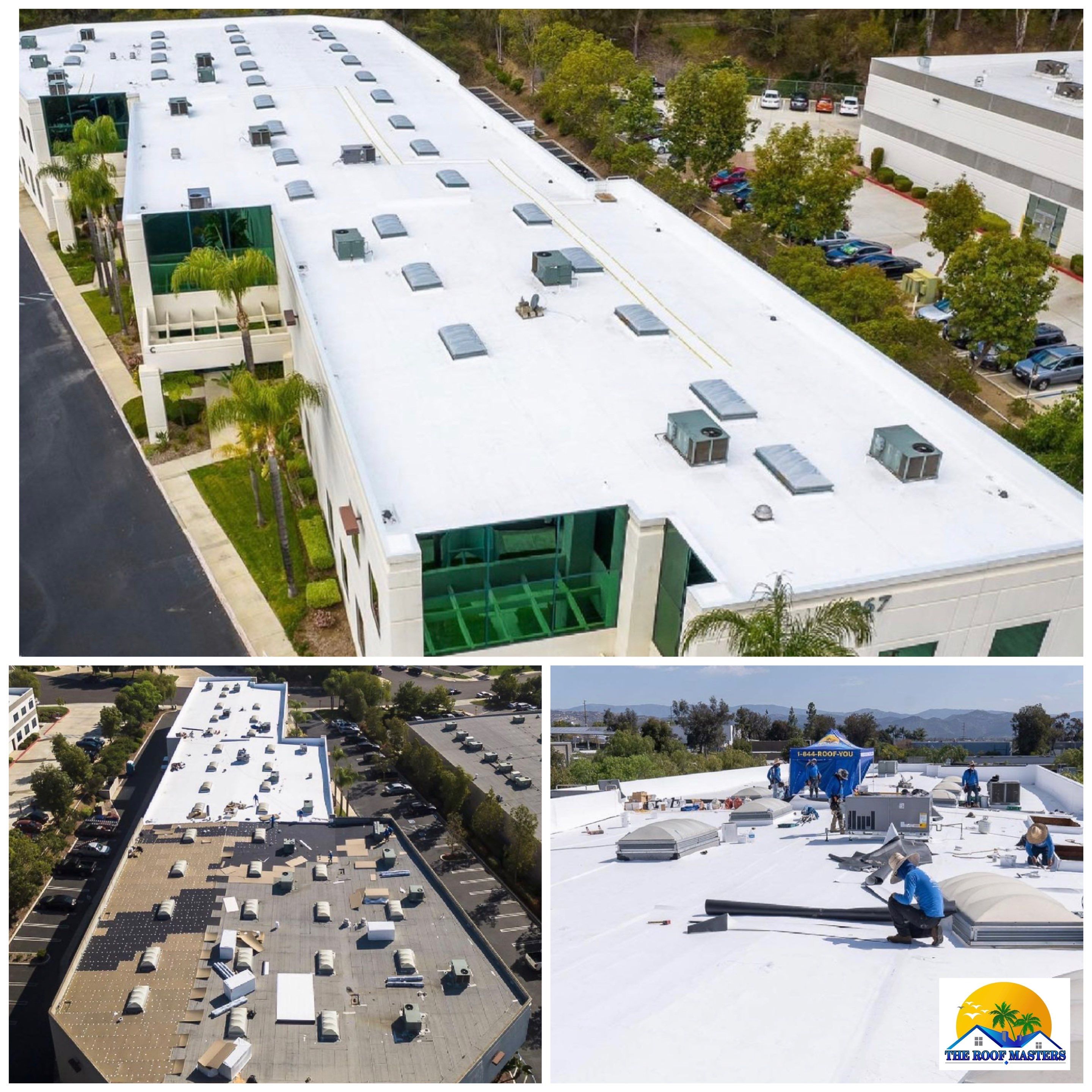
How Often to Replace Flat and Low-Slope Roofs in California
Flat and low-slope roofs are common on commercial buildings, modern homes, garages, additions, and some multifamily properties.
Most flat roofs need replacement every 20 to 30 years.
Common flat roofing systems include:
- TPO
- PVC
- Modified bitumen
- Built-up roofing
- Roof coatings
These roofs work differently from pitched roofs. They do not shed water as quickly, so waterproofing and drainage are critical. A small drainage problem can shorten the roof’s lifespan quickly.
Signs a flat roof may need replacement include:
- Ponding water
- Blistering or bubbling
- Open seams
- Cracked membrane
- Soft spots
- Recurring leaks
If water sits on a flat roof after rain, the system should be inspected. Drainage problems usually get worse over time.
Need help with a flat or low-slope commercial roof?
Book a free commercial roof estimate with The Roof Masters:
https://socalroofmasters.com/free-roof-estimate-san-diego
Repair or Replace: How Do You Know?
Not every roof problem means you need a full replacement.
Repairs may make sense when:
- Damage is isolated
- The roof still has useful life left
- The issue is limited to one section
- Materials are mostly in good condition
A few cracked tiles, a small flashing issue, or one localized leak may be repairable.
Replacement may make more sense when:
- Leaks keep coming back
- Damage is widespread
- The roof is near the end of its expected lifespan
- Repairs are becoming frequent
- Underlayment or decking is failing
- The roof no longer performs as a system
The right answer depends on the whole roof, not just one visible problem.
That is why a professional inspection matters. It helps you avoid replacing too early or repairing a roof that is already too far gone.
How California Building Standards Affect Roof Replacement
California roofing projects often involve strict building standards, permits, and inspections.
Depending on the property and location, roof replacement may need to account for:
- Fire-rated materials
- Energy efficiency requirements
- Ventilation standards
- Underlayment requirements
- Structural considerations
- Local permitting rules
These requirements can affect both cost and timeline, but they also help improve safety and long-term performance.
A licensed roofing contractor should understand these requirements before the work begins, not discover them halfway through the project.
Signs It May Be Time to Replace Your Roof
Age is important, but it is not the only thing to watch.
Your roof may need replacement if you notice:
- Recurring leaks
- Water stains on ceilings or walls
- Cracked, missing, or shifted materials
- Sagging or soft areas
- Granules in gutters
- Rust or damaged flashing
- Rising energy bills
- Mold or musty smells near attic spaces
- Frequent repairs in different areas
If more than one of these signs is showing up, it is time to have your roof evaluated.
How Often Should California Homeowners Inspect Their Roof?
Most California homeowners should schedule a professional roof inspection once a year.
You should also schedule an inspection:
- Before rainy season
- After strong winds
- After visible roof damage
- Before installing solar panels
- Before buying or selling a home
- When the roof reaches 15 to 20 years old
Routine inspections help you plan ahead instead of waiting for an emergency.
Can Maintenance Help Delay Roof Replacement?
Yes, maintenance can help extend the life of your roof.
Simple repairs can prevent water from reaching the underlayment, decking, insulation, or drywall.
Cleaning gutters, fixing flashing, replacing cracked tiles, and addressing drainage issues all help the roof perform longer.
Maintenance does not make a failing roof last forever, but it can prevent early replacement when the roof is still in good condition.
Key Takeaways: How Often to Replace Roof in California
- Most California roofs need replacement every 15 to 50 years
- Asphalt shingles usually last 15 to 25 years
- Tile roofs can last 40 to 50 years or more, but underlayment may fail sooner
- Metal roofs often last 40 to 60 years
- Flat roofs typically last 20 to 30 years
- Sun, heat, coastal air, and installation quality all affect lifespan
- Annual inspections help homeowners plan ahead
- Repairs can extend roof life when damage is isolated
What to Do If You Are Unsure When to Replace Your Roof
If you do not know how old your roof is or how much life it has left, guessing is not the best plan.
A professional inspection can tell you what material you have, how it is performing, whether repairs make sense, and when replacement should be planned.
The Roof Masters provides free roof inspections and estimates for California homeowners. We look at the full roofing system, explain what we find, and help you understand your options without pressure.
Whether your roof needs a small repair, a full replacement, or a clear evaluation, we are here to help.
Book your free roof estimate:
https://socalroofmasters.com/free-roof-estimate-san-diego
FAQs About How Often to Replace Roof in California
How often should you replace a roof in California?
Most roofs in California need replacement every 15 to 50 years depending on the material. Asphalt shingles usually need replacement sooner, while tile and metal roofs can last much longer.
How often should asphalt shingles be replaced in California?
Asphalt shingle roofs usually need replacement every 15 to 25 years. Heat, sun exposure, ventilation, and installation quality all affect where your roof falls in that range.
How often should tile roofs be replaced in California?
Tile roofs can last 40 to 50 years or more, but the underlayment may need replacement sooner. Many tile roofs need major underlayment work around 20 to 30 years.
How often should metal roofs be replaced in California?
Metal roofs often last 40 to 60 years when installed correctly. They are one of the longest-lasting roofing options for California homes.
How often should flat roofs be replaced in California?
Flat and low-slope roofs usually need replacement every 20 to 30 years. Drainage, membrane condition, and maintenance play a major role in lifespan.
What roof type lasts the longest in California?
Metal and tile roofs usually last the longest in California. Both can last 40 years or more when properly installed and maintained.
Can a roof last 30 years in California?
Yes, many roofs can last 30 years in California, especially tile, metal, and some flat roofing systems. Asphalt shingles may or may not reach 30 years depending on climate and installation quality.
What makes a California roof wear out faster?
Sun exposure, heat, poor ventilation, coastal moisture, and poor installation can all shorten roof lifespan. Ignoring small repairs can also cause a roof to fail earlier than expected.
Should I replace my roof before installing solar panels?
If your roof is aging or near the end of its lifespan, replacement before solar is usually the smarter move. Removing and reinstalling solar panels later can add cost and delay.
How do I know if my roof needs replacement or just repair?
If the damage is isolated, repair may be enough. If leaks are recurring, materials are failing, or the roof is near the end of its lifespan, replacement may be the better long-term solution.




.svg)
.svg)