
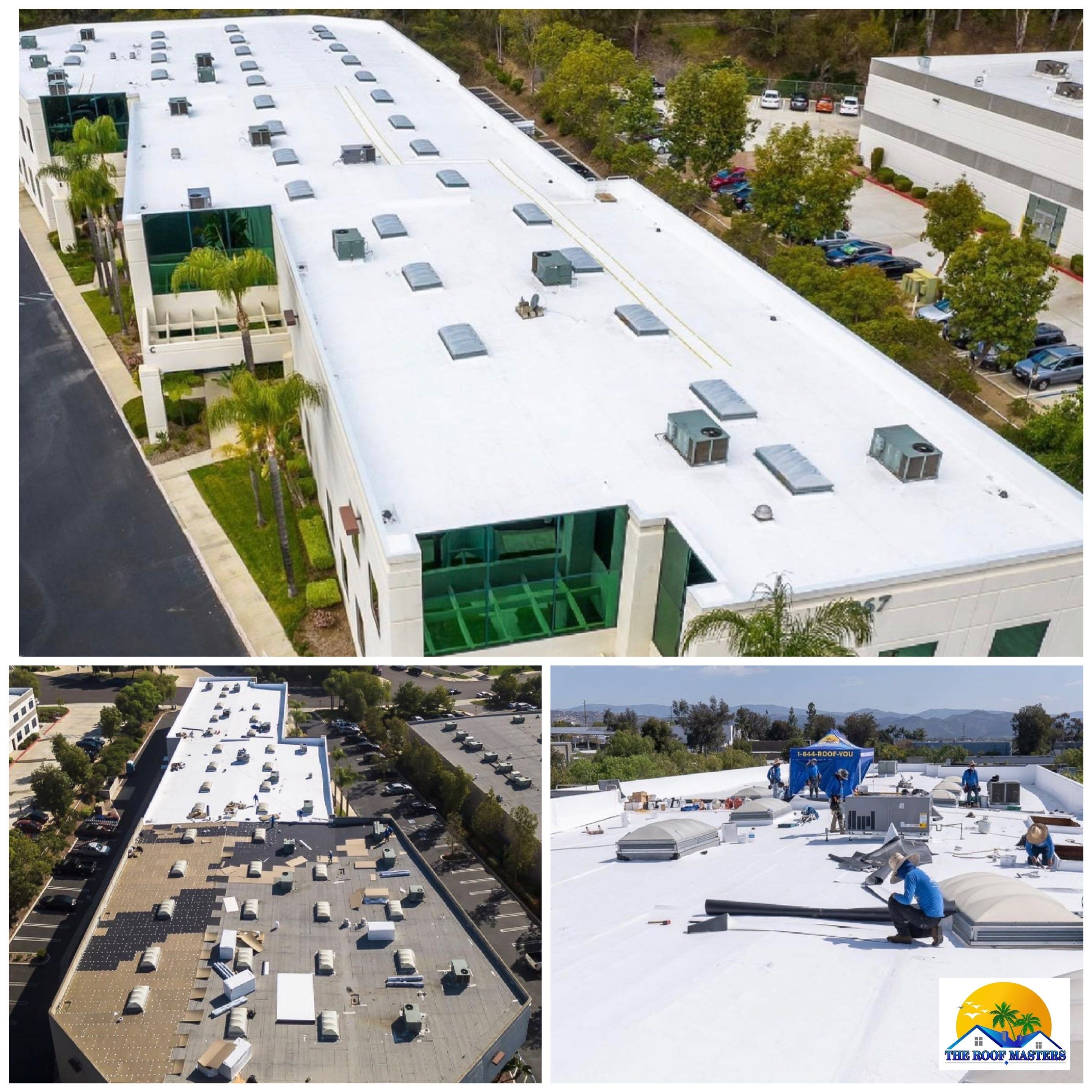
Living in an HOA has its perks. Clean neighborhoods, consistent home values, shared maintenance. But when your roof needs attention, it can also get confusing fast.
And if it feels like a lot of people are dealing with the same thing, that is because they are. In California, about 4.9 million homes belong to HOAs, which makes up roughly 37% of all homes in the state. So when questions come up about roofing rules, approvals, and responsibility, you are definitely not alone.
If you are looking into HOA roof repair in San Diego or trying to understand how HOA roof replacement works, it is normal to feel unsure at first. Most homeowners do not realize how many steps can be involved until a leak occurs or a roof starts aging out.
And the truth is, HOA roofing is not always straightforward. Some associations handle everything. Others expect homeowners to cover certain repairs. Some allow you to hire your own contractor, and others require you to use an approved vendor list.
This guide breaks down the most common homeowner questions, what to expect in the process, and how to avoid delays.
The Short Answer: Can You Repair or Replace Your Own Roof in an HOA?
Yes, but you usually cannot treat it like a normal roofing project.
Most HOA communities in San Diego require some combination of:
- Written approval
- Architectural review
- Material restrictions
- Color and style matching
- Licensed contractor requirements
- Specific installation standards
Even if your roof repair feels urgent, the HOA often still needs documentation and a process to follow.
Who Is Responsible for Roof Repairs in an HOA?
This depends entirely on the HOA’s governing documents.
Some communities cover all roof repairs through the association. Others cover only shared sections. And some HOAs place full responsibility on the homeowner, especially in detached home communities.
In many condo and townhome complexes, the HOA is responsible for the roof because it protects multiple units. In single-family HOA neighborhoods, the homeowner is often responsible, but must follow HOA design standards.
If you are unsure, check your:
- CC&Rs
- HOA maintenance agreement
- Property manager documentation
If you do not have access to these, your HOA management company can usually provide clarification.
Can a Homeowner Choose Their Own Roofing Contractor?
Sometimes yes. Sometimes absolutely not.
Many HOA communities in San Diego have one of the following setups:
- Homeowners can hire any licensed roofer, as long as they meet HOA requirements
- Homeowners must choose from an approved contractor list
- All roof work must go through the HOA directly
- Repairs are allowed, but replacement must be coordinated by the association
This is why HOA roof replacement in San Diego often takes longer than homeowners expect. Even if you are ready to move forward, the association may need bids, approvals, and board votes.
What HOA Roofing Rules Typically Cover
HOA roofing rules are usually based on appearance and consistency, but they also impact performance.
Most HOAs regulate:
- Roofing material type (tile, shingle, flat systems)
- Tile profile and manufacturer match
- Color and finish
- Underlayment standards
- Venting and flashing details
- Noise and working hour restrictions
- Debris control and cleanup requirements
In San Diego, tile roofing is especially common in HOA communities.
That makes matching a major concern. Some HOAs require homeowners to reuse existing tile when possible, while others require full replacement to maintain uniformity.
Want a free roof estimate? Reach out: https://socalroofmasters.com/free-roof-estimate-san-diego
What to Expect During HOA Roof Repair in San Diego
Roof repairs in an HOA usually involve a few extra steps beyond the repair itself.
Here is what homeowners can typically expect:
Inspection and Documentation
Even if the issue is obvious, many HOAs require an inspection report or photos before approval.
Approval Process
Some HOAs approve minor repairs quickly. Others require an architectural review request, especially if tile replacement or visible exterior work is involved.
Scheduling Restrictions
Work hours may be limited, and parking rules may affect where crews can stage materials.
Material Matching
If your roof is tile, matching the existing style is often required. This can affect timeline if special-order materials are needed.
The biggest delay in HOA roof repair is usually not the repair itself. It is the paperwork.
What to Expect During HOA Roof Replacement in San Diego
Roof replacement is a larger process, especially in condos and attached communities.
Most HOA roof replacement projects involve:
- Board planning and budgeting
- Multiple contractor bids
- Material selection approvals
- Resident notifications
- Phased installation schedules
- City permits and inspections
Some HOAs replace all roofs at once. Others phase replacement building by building over several months.
If your HOA is replacing the roof for the entire community, the timeline will depend heavily on coordination and resident scheduling.
If you are replacing your own roof within an HOA neighborhood, you may need approval for the exact tile or shingle system before any work begins.
Why HOA Roof Work Often Takes Longer Than Homeowners Expect
This is one of the biggest frustrations homeowners face.
In most cases, delays happen because:
- The HOA requires board approval
- The architectural committee meets only once per month
- The community requires specific tile matching
- Permits are involved
- Multiple bids are needed for large projects
- Work must be scheduled around shared access areas
It is not always inefficient. It is just structured.
HOAs are designed to avoid rushed decisions that impact the entire neighborhood.
How San Diego Building Codes Can Affect HOA Roofing Projects
Even if your HOA approves a repair or replacement, the work still needs to meet California building code standards.
That may include requirements for:
- Underlayment type and installation method
- Flashing and waterproofing upgrades
- Ventilation standards
- Energy efficiency compliance
- Fire-rated roofing assemblies
- Structural reinforcement for heavier systems
This is especially relevant for older HOA communities. Many roofs were installed under older standards. When a roof is replaced, the new roof often requires code upgrades.
A good roofing contractor will anticipate this, not “discover” it halfway through the project.
How The Roof Masters Works With HOA Requirements
HOA roofing is a different world. We know that because we have done it across San Diego County for years.
Some HOAs we work with want strict material matching, down to tile manufacturer and profile. Others are more flexible, as long as the roof meets performance standards and maintains a consistent appearance.
We have worked with associations that:
- Require architectural review submissions before scheduling
- Require specific underlayment systems
- Have restrictions on work hours and noise
- Require proof of insurance and licensing documentation
- Require communication with property managers throughout the job
Our job is to make the process easier, not harder.
That means providing clear documentation, working within HOA guidelines, and keeping communication simple so homeowners are not stuck in limbo.
Common HOA Roofing Questions San Diego Homeowners Ask.
What if my roof is leaking but the HOA approval process takes time?
If water is actively entering the home, you should notify the HOA immediately. Many HOAs allow emergency repairs to prevent further damage, even if full approval paperwork is still pending.
Can I replace my roof with a different material?
Usually no. Most HOAs require consistent roofing materials across the neighborhood. Even if another material performs well, it may not be approved for appearance reasons.
Do HOA roof replacements include underlayment?
In most tile roofing systems, the underlayment is one of the most important parts of the replacement. Tile can often be reused, but the underlayment is typically replaced.
Who Is Responsible for Roof Repairs in an HOA?
This depends entirely on the HOA’s governing documents.
Some communities cover all roof repairs through the association. Others cover only shared sections. And some HOAs place full responsibility on the homeowner, especially in detached home communities.
In many condo and townhome complexes, the HOA is responsible for the roof because it protects multiple units. In single-family HOA neighborhoods, the homeowner is often responsible, but must follow HOA design standards.
If you are unsure, check your:
- CC&Rs
- HOA maintenance agreement
- Property manager documentation
If you do not have access to these, your HOA management company can usually provide clarification.
Can a Homeowner Choose Their Own Roofing Contractor?
Sometimes yes. Sometimes absolutely not.
Many HOA communities in San Diego have one of the following setups:
- Homeowners can hire any licensed roofer, as long as they meet HOA requirements
- Homeowners must choose from an approved contractor list
- All roof work must go through the HOA directly
- Repairs are allowed, but replacement must be coordinated by the association
This is why HOA roof replacement in San Diego often takes longer than homeowners expect. Even if you are ready to move forward, the association may need bids, approvals, and board votes.
What HOA Roofing Rules Typically Cover
HOA roofing rules are usually based on appearance and consistency, but they also impact performance.
Most HOAs regulate:
- Roofing material type (tile, shingle, flat systems)
- Tile profile and manufacturer match
- Color and finish
- Underlayment standards
- Venting and flashing details
- Noise and working hour restrictions
- Debris control and cleanup requirements
In San Diego, tile roofing is especially common in HOA communities.
That makes matching a major concern. Some HOAs require homeowners to reuse existing tile when possible, while others require full replacement to maintain uniformity.
Want a free roof estimate? Reach out: https://socalroofmasters.com/free-roof-estimate-san-diego
What to Expect During HOA Roof Repair in San Diego
Roof repairs in an HOA usually involve a few extra steps beyond the repair itself.
Here is what homeowners can typically expect:
Inspection and Documentation
Even if the issue is obvious, many HOAs require an inspection report or photos before approval.
Approval Process
Some HOAs approve minor repairs quickly. Others require an architectural review request, especially if tile replacement or visible exterior work is involved.
Scheduling Restrictions
Work hours may be limited, and parking rules may affect where crews can stage materials.
Material Matching
If your roof is tile, matching the existing style is often required. This can affect timeline if special-order materials are needed.
The biggest delay in HOA roof repair is usually not the repair itself. It is the paperwork.
What to Expect During HOA Roof Replacement in San Diego
Roof replacement is a larger process, especially in condos and attached communities.
Most HOA roof replacement projects involve:
- Board planning and budgeting
- Multiple contractor bids
- Material selection approvals
- Resident notifications
- Phased installation schedules
- City permits and inspections
Some HOAs replace all roofs at once. Others phase replacement building by building over several months.
If your HOA is replacing the roof for the entire community, the timeline will depend heavily on coordination and resident scheduling.
If you are replacing your own roof within an HOA neighborhood, you may need approval for the exact tile or shingle system before any work begins.
Why HOA Roof Work Often Takes Longer Than Homeowners Expect
This is one of the biggest frustrations homeowners face.
In most cases, delays happen because:
- The HOA requires board approval
- The architectural committee meets only once per month
- The community requires specific tile matching
- Permits are involved
- Multiple bids are needed for large projects
- Work must be scheduled around shared access areas
It is not always inefficient. It is just structured.
HOAs are designed to avoid rushed decisions that impact the entire neighborhood.
How San Diego Building Codes Can Affect HOA Roofing Projects
Even if your HOA approves a repair or replacement, the work still needs to meet California building code standards.
That may include requirements for:
- Underlayment type and installation method
- Flashing and waterproofing upgrades
- Ventilation standards
- Energy efficiency compliance
- Fire-rated roofing assemblies
- Structural reinforcement for heavier systems
This is especially relevant for older HOA communities. Many roofs were installed under older standards. When a roof is replaced, the new roof often requires code upgrades.
A good roofing contractor will anticipate this, not “discover” it halfway through the project.
How The Roof Masters Works With HOA Requirements
HOA roofing is a different world. We know that because we have done it across San Diego County for years.
Some HOAs we work with want strict material matching, down to tile manufacturer and profile. Others are more flexible, as long as the roof meets performance standards and maintains a consistent appearance.
We have worked with associations that:
- Require architectural review submissions before scheduling
- Require specific underlayment systems
- Have restrictions on work hours and noise
- Require proof of insurance and licensing documentation
- Require communication with property managers throughout the job
Our job is to make the process easier, not harder.
That means providing clear documentation, working within HOA guidelines, and keeping communication simple so homeowners are not stuck in limbo.
Common HOA Roofing Questions San Diego Homeowners Ask.
What if my roof is leaking but the HOA approval process takes time?
If water is actively entering the home, you should notify the HOA immediately. Many HOAs allow emergency repairs to prevent further damage, even if full approval paperwork is still pending.
Can I replace my roof with a different material?
Usually no. Most HOAs require consistent roofing materials across the neighborhood. Even if another material performs well, it may not be approved for appearance reasons.
Do HOA roof replacements include underlayment?
In most tile roofing systems, the underlayment is one of the most important parts of the replacement. Tile can often be reused, but the underlayment is typically replaced.
Key Takeaways for HOA Roof Repair and Roof Replacement in San Diego
- HOA roofing rules vary by community
- Responsibility depends on your governing documents
- Approval is often required even for minor repairs
- Replacement projects take longer due to planning and coordination
- Material matching is a major factor in San Diego HOAs
- Building codes still apply, even when the HOA approves the work
- Working with an HOA-experienced roofer prevents delays
What to Do Next if You Need Roofing Work in an HOA
If you are dealing with roof issues in an HOA community, the best first step is a professional inspection and clear documentation.
Once you understand what is happening, you can approach your HOA with the right information and avoid unnecessary back-and-forth.
If you need help, The Roof Masters works with HOA homeowners, property managers, and associations throughout San Diego County.
We understand the approval process, the documentation requirements, and the standards HOAs expect.
Have questions or need a free inspection?
https://socalroofmasters.com/contact-us
Key Takeaways for HOA Roof Repair and Roof Replacement in San Diego
- HOA roofing rules vary by community
- Responsibility depends on your governing documents
- Approval is often required even for minor repairs
- Replacement projects take longer due to planning and coordination
- Material matching is a major factor in San Diego HOAs
- Building codes still apply, even when the HOA approves the work
- Working with an HOA-experienced roofer prevents delays
What to Do Next if You Need Roofing Work in an HOA
If you are dealing with roof issues in an HOA community, the best first step is a professional inspection and clear documentation.
Once you understand what is happening, you can approach your HOA with the right information and avoid unnecessary back-and-forth.
If you need help, The Roof Masters works with HOA homeowners, property managers, and associations throughout San Diego County.
We understand the approval process, the documentation requirements, and the standards HOAs expect.
Have questions or need a free inspection?
https://socalroofmasters.com/contact-us
.png?width=352&name=v3%20(1).png)




.svg)
.svg)