
 If you are wondering how long a roof lasts in California, the honest answer is: it depends on the material, the installation quality, and the environment around your home.
California roofs tend to age faster than many homeowners expect. Sun exposure, heat, coastal moisture, and seasonal storms all take a toll.
Two homes built at the same time can have roofs that wear very differently depending on where they are located and how they were maintained.
This guide explains how long different roofing systems typically last in California, what shortens their lifespan, and how to know when your roof may be nearing the end of its service life.
The Short Answer: How Long Does a Roof Last in California?
Most residential roofs in California last anywhere from 15 to 50 years, depending on the roofing material and conditions.
Asphalt shingle roofs often last 15 to 25 years.
Tile roofs can last 40 to 50 years or more when properly installed.
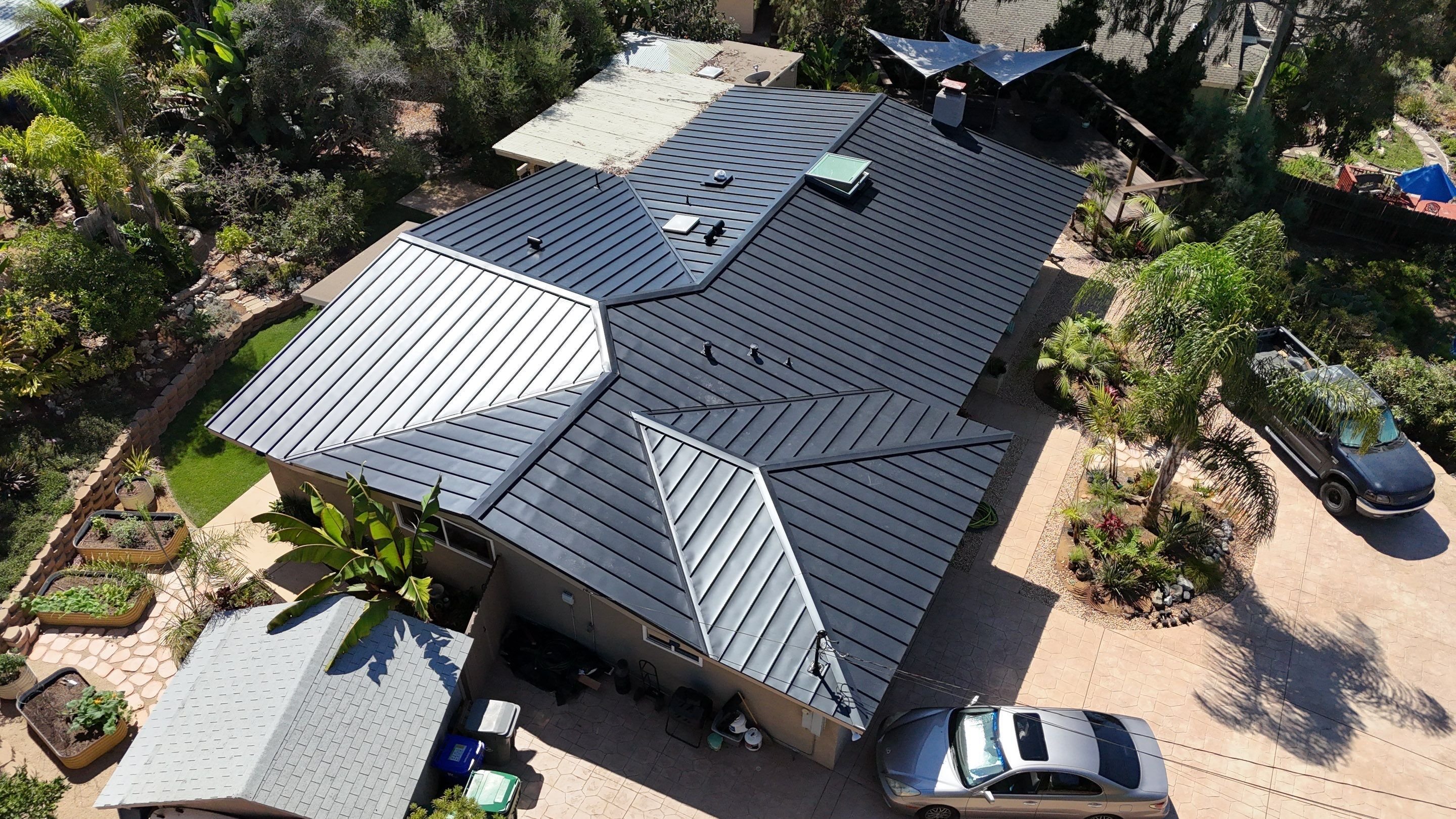
Metal roofs commonly last 40 to 60 years.
Flat and low-slope roofing systems typically last 20 to 30 years.
However, those numbers assume proper installation, ventilation, and maintenance. In harsh environments like coastal or high-heat areas, lifespan can be shorter.
Why Roof Lifespans Vary So Much in California
California is not one climate.
A roof in coastal San Diego faces very different conditions than a roof in inland or desert regions.
Fun fact. California holds the record for the hottest air temperature ever recorded on Earth.
Furnace Creek Ranch in Death Valley hit 134°F on July 10, 1913. [SOURCE]
While most homes will never see conditions that extreme, it helps explain why heat, sun exposure, and material choice play such a big role in how long roofs last across the state.
Several factors consistently affect how long a roof lasts in California.
Sun and Heat Exposure
UV radiation is one of the biggest roof killers in California. Constant sun breaks down roofing materials, dries out asphalt, and accelerates aging. Homes with little shade or dark roofing materials often see faster wear.
Coastal Moisture and Salt Air
Homes near the coast deal with moisture, fog, and salt air. These conditions can corrode metal components, degrade underlayment, and shorten the life of flashing and fasteners.
Installation Quality
Even the best materials fail early if installed incorrectly. Improper flashing, poor ventilation, or rushed workmanship can shave years off a roof’s lifespan.
Roof Design and Slope
Complex roofs with multiple valleys, penetrations, and low-slope areas tend to wear faster. Water drains more slowly and has more opportunities to find weak points.
Maintenance and Repairs
Small issues that go unaddressed allow water intrusion to spread. Routine inspections and timely repairs can significantly extend roof life.
How Long Different Roofing Materials Last in California
Material choice is one of the biggest lifespan factors.
Asphalt Shingle Roofs
Asphalt shingles are common because they are affordable and versatile. In California, most asphalt shingle roofs last 15 to 25 years.
High heat and sun exposure can dry out shingles, causing cracking, curling, and granule loss sooner than in cooler climates. Premium shingles with proper ventilation tend to last longer than entry-level options.
Tile Roofs: Concrete and Clay
Tile roofing is extremely popular throughout Southern California. Concrete and clay tile roofs can last 40 to 50 years, and sometimes longer.
That said, tile longevity depends heavily on the underlayment beneath the tiles. While the tiles themselves may last decades, the underlayment often needs to be replaced after 20 to 30 years. Many tile roof replacements are actually underlayment replacements.
Metal Roofs
Metal roofing performs well in California’s climate. Most metal roofs last 40 to 60 years with minimal maintenance.
They resist UV damage, handle heat well, and perform better in fire-prone areas. Coastal homes still need corrosion-resistant finishes to reach full lifespan.
Flat and Low-Slope Roofs
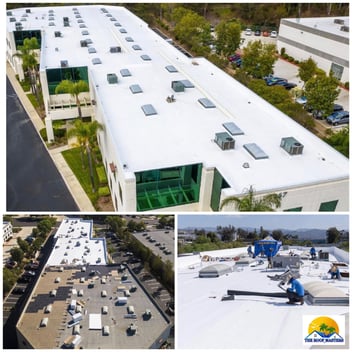
Flat roofs are common on modern homes and commercial buildings. Systems like TPO, PVC, and modified bitumen typically last 20 to 30 years.
Performance depends on drainage design, installation quality, and maintenance. Ponding water and clogged drains can significantly shorten lifespan.
Signs Your Roof May Be Near the End of Its Life
Age alone does not always tell the full story. Some roofs fail early, while others outperform expectations.
Common warning signs include:
-Frequent leaks or recurring repairs
-Cracked, curled, or missing shingles or tiles
-Granules collecting in gutters
-Soft or sagging areas
-Water stains on ceilings or walls
-Rising energy bills due to poor insulation performance
If you are seeing multiple signs at once, your roof may be nearing replacement even if it has not reached its expected age.
Have questions? We are always here to offer answers!
https://socalroofmasters.com/contact-us
Does California Building Code Affect Roof Lifespan?
Yes. California has some of the strictest building codes in the country.
Energy efficiency requirements influence underlayment, ventilation, and insulation choices. Fire-resistant materials are required in many regions. Coastal zones require additional corrosion resistance.
These standards increase upfront costs, but they also improve long-term roof performance and safety.
A roof installed to current California code standards generally lasts longer than older systems installed decades ago.
Can Repairs Extend the Life of a Roof in California?
In many cases, yes.
Addressing small issues early can prevent larger failures. Replacing damaged flashing, repairing isolated leaks, and improving ventilation can add years to a roof’s lifespan.
However, repairs reach a point of diminishing returns. If problems are widespread or the roof structure is compromised, replacement becomes the more cost-effective option.
A professional inspection helps determine which path makes sense.
How Often Should Roofs Be Inspected in California?
Most California homeowners should schedule a roof inspection once a year, ideally before the rainy season.
You should also schedule an inspection after:
-Major storms or high winds
-Visible roof damage
-Interior leaks or staining
-Purchasing or selling a home
Routine inspections catch issues while they are still manageable.
Key Takeaways: Roof Lifespan in California
-Roof lifespan varies widely by material and environment
-Asphalt roofs typically last 15 to 25 years
-Tile and metal roofs often last 40 years or more
-Sun, heat, and coastal moisture shorten lifespan
-Installation quality matters as much as material
-Regular inspections help roofs last longer
What to Do If You Are Unsure About Your Roof’s Age or Condition
If you are not sure how long your roof has left, guessing rarely helps. The most reliable way to understand your roof’s condition is through a professional inspection.
The Roof Masters offers free roof inspections and estimates throughout California.
We assess your roof’s material, condition, and remaining lifespan, then explain your options clearly and honestly.
We are a family-owned California roofing company focused on quality workmanship, safety, and pressure-free guidance. Whether your roof needs a small repair or you are planning ahead for replacement, having clear information makes all the difference.
Book your free roof estimate:
https://socalroofmasters.com/free-roof-estimate-san-diego
.png?width=352&name=v3%20(1).png)




.svg)
.svg)